Toddlers Inhaling Nicotine? Experts Say Vapes Are The Culprit Abplive | Tue, 07 Apr 2026 17:59:53 GMT
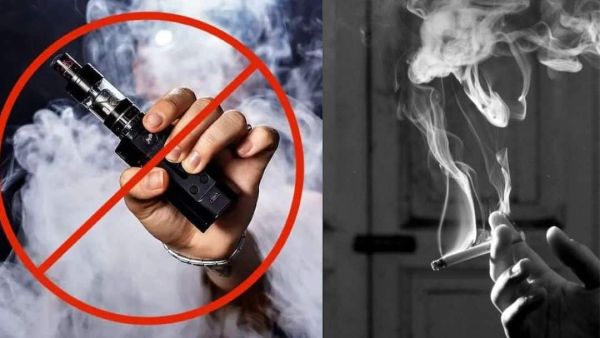
Health specialists are raising alarms about an unexpected trend among young children: vapes have now overtaken traditional cigarettes as the most common source of nicotine exposure. Recent research shows that modern nicotine delivery devices are putting toddlers and young kids at risk in ways cigarettes never did, prompting calls for stronger awareness and safety measures.
Shift In Nicotine Exposure
A comprehensive study looked at more than 92,000 reports of nicotine exposure in children aged five and younger between 2016 and 2023. Researchers found that instances linked to conventional cigarettes dropped by around 43%, while exposures involving vapes and similar devices climbed a staggering 243%. Young children didn’t just accidentally touch these products — in many recent cases, they inhaled the vapor and were exposed directly to nicotine.
According to Perry Rosen, the lead author of the research, "This significant spike in children breathing in these substances tells us the risk has changed." He added that many of the latest incidents involve toddlers actively using the devices after gaining access to them, rather than simply swallowing them by mistake.
Pinterest\@Teenvaping
Why Vapes Are More Dangerous For Kids
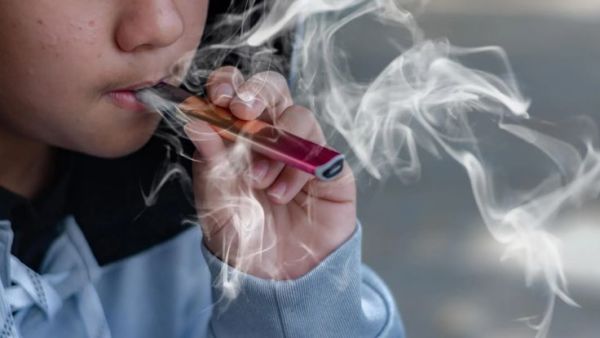
Experts explain that vaping devices are far more appealing to young children than old-fashioned cigarettes. They often come in bright colors, require little effort to activate, and look more like toys than harmful products. Diane Calello, executive and medical director of the New Jersey Poison Control Center, highlighted this concern: "When children see caregivers or older family members vaping, they may copy that behavior — bringing the device to their mouth and inhaling — without any understanding they are exposing themselves to a harmful substance."
This behaviour mimicking means that kids aren’t just at risk of accidental poisoning, they may actively inhale nicotine, a substance known to be highly addictive and harmful to brain development. While cigarette exposure is still dangerous, the nature of disposable vapes makes them easier for children to imitate and access, creating a unique health threat that previous generations didn’t face.
Calls for Better Safety Standards
Current laws focus mainly on child-resistant packaging for liquid nicotine, but safety advocates argue that isn’t enough. Packaging laws might prevent toddlers from swallowing liquid nicotine, but “it does nothing to stop a child from copying what they see an adult do,” as Rosen explained.
Calello also stressed the need for safety rules that tackle the devices themselves. “Current laws which focus on child-resistant packaging for nicotine liquids, are no longer enough,” she said. She suggested that manufacturers should be required to add features like flow restrictors that make the device harder for a child to activate.
The rise of vaping among both adults and children highlights how nicotine consumption has evolved. Where cigarettes once posed the biggest threat to young ones, today’s colourful, easy‑to‑use vapes have taken that place, and many experts warn that without prompt action, this trend could have long‑term consequences for children’s health and wellbeing.