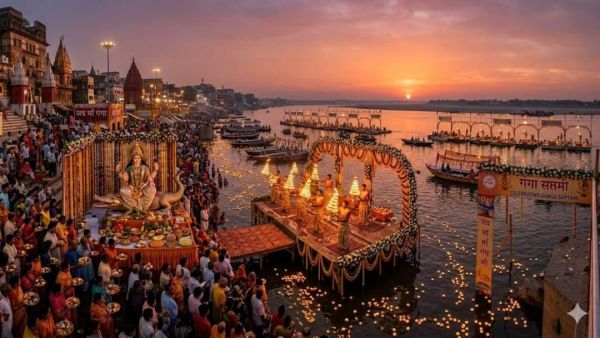
In Sanatan tradition, bathing is not limited to physical cleansing with water. Scriptures like the Vishnu Purana and Daksha Smriti describe seven types of bathing, known as Sapt Snan, based on a person’s situation and mental state. These include Brahma Snan (reciting prayers in the Brahma Muhurat), Vayavya Snan (touching cow dust), Agneya Snan (applying sacred ash), Divya Snan (getting wet in rain during sunlight), Varuna Snan (immersion in rivers or seas), Kapila Snan (wiping the body with a wet cloth when ill), and Manas Snan, considered the highest form.
Manas Snan Significance
Manas Snan means purifying the mind by remembering God or sacred rivers like the Ganga. It is believed to cleanse inner impurities such as anger, greed, and ego, which physical water cannot remove. According to the Padma Purana, even if a devotee is far from the Ganga but sincerely remembers her, they receive the same spiritual benefit as bathing in her waters. The Daksha Smriti also states that for those unable to visit holy rivers due to illness, age, or circumstances, mental purification is the most powerful form of spiritual cleansing.
Ganga Saptami is a day of purity, devotion, and spiritual cleansing. It reminds people to respect nature, honor ancestors, and follow a peaceful path in life.