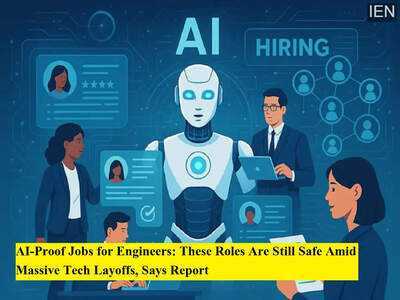
The technology sector worldwide is experiencing significant layoffs in 2026, raising alarms among software engineers and IT professionals regarding job stability in an era dominated by artificial intelligence. Reports indicate that over 100,000 tech positions have been eliminated globally within the initial months of the year.
Valuable Engineering Roles Amid Layoffs
Despite the ongoing job cuts, experts assert that certain engineering positions are becoming increasingly essential, as they are challenging to replace with AI technologies. A recent analysis highlighted by a prominent publication identifies several career paths that are likely to remain in demand, even as companies intensify their automation efforts.
Major Companies Reducing Workforce
Numerous leading technology firms have announced job reductions in 2026. Companies reportedly implementing layoffs include:
- Cisco
- PayPal
- Coinbase
- Meta
- Microsoft
- Oracle
- Amazon
- Block
Many of these organizations are simultaneously downsizing their workforce while significantly increasing investments in AI infrastructure and automation technologies.
Industry projections suggest that tech companies may collectively invest around $725 billion in AI-related capital expenditures in 2026, a substantial increase from approximately $410 billion the previous year.
Impact on Mid-Level and Entry-Level Positions
Reports indicate that the layoffs are predominantly affecting:
- Mid-level managers
- Entry-level coders
- Routine software development roles
- Administrative tech positions
Organizations are increasingly utilizing AI tools to automate repetitive tasks such as coding, testing, documentation, and operations that were previously managed by junior staff.
Consequently, companies are now focusing on hiring fewer but highly skilled engineers capable of managing complex AI-driven systems.
Engineering Roles Still in Demand
Despite the layoffs, hiring has not ceased entirely. Data indicates that job postings for senior-level IT and computer science positions have actually risen in various categories.
Companies are particularly interested in professionals with expertise in:
- AI Operations
- AI Maintenance
- AI Solution Engineering
- AI Infrastructure Integration
- Advanced Systems Engineering
Experts emphasize that these roles are challenging to automate due to their requirement for deep technical judgment, business acumen, and problem-solving skills.
Demand for Engineers Who Can Collaborate with AI
Employers are increasingly seeking experienced engineers who can effectively manage AI systems rather than compete with them. These professionals are expected to:
- Identify AI-generated errors and bugs
- Integrate AI tools into existing systems
- Oversee automated workflows
- Manage AI agents and infrastructure
- Ensure the reliability and security of AI platforms
Industry leaders predict that every major sector, including banking, healthcare, manufacturing, and pharmaceuticals, will require engineers capable of deploying and managing enterprise AI systems.
The Rising Importance of Soft Skills
Another significant trend highlighted in the report is the increasing emphasis on soft skills within technical careers. Experts note that modern engineering roles now demand:
- Effective communication skills
- Team collaboration
- Problem-solving capabilities
- Client interaction
- Strategic thinking
As AI systems take over routine operational tasks, engineers are transitioning towards consulting-style roles where human interaction and decision-making are crucial.
Challenges for Engineers Without AI Experience
Recruitment specialists indicate that engineers lacking AI-specific experience are encountering increasing difficulties in the current job market. Traditional coding skills alone are no longer sufficient for many lucrative positions. Companies now prefer candidates who are knowledgeable in:
- Machine learning workflows
- AI deployment
- Cloud infrastructure
- Automation systems
- Data-driven engineering environments
Engineers who enhance their skills in these areas are anticipated to have better long-term career prospects.
AI's Impact on Job Dynamics
Industry analysts assert that while AI is not entirely replacing engineers, it is swiftly transforming the skills that companies prioritize. Although routine coding and management roles may diminish, the demand is increasing for engineers who can:
- Develop AI systems
- Monitor AI performance
- Tackle complex technical challenges
- Collaborate across business and technology teams
Experts believe that engineers who continuously upgrade their skills and adapt to AI-driven workflows will remain highly employable in the evolving tech landscape.
Contact to : xlf550402@gmail.com
Copyright © boyuanhulian 2020 - 2023. All Right Reserved.