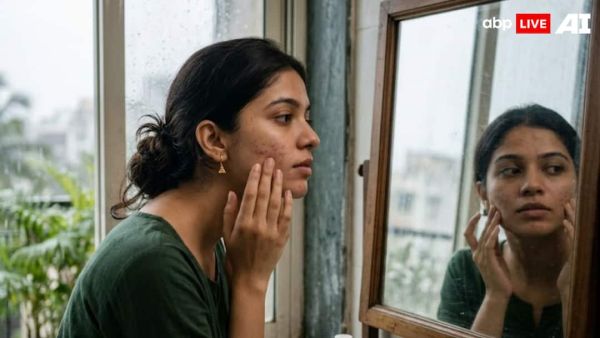
The monsoon may bring relief from scorching temperatures, but for your skin, the rainy season can create a completely different challenge. Increased humidity, sweat, excess oil and environmental pollutants can leave the skin feeling greasy and congested, making pimples and acne flare-ups more likely.
If your skin suddenly feels oilier or you are noticing more breakouts despite following the same skincare routine, the weather could be playing a significant role.
ABP LIVE Doc Talk | Dengue Or Viral Fever? Key Symptoms, Warning Signs And When To See A Doctor
Why Monsoon Weather Can Trigger Sudden Skin Breakouts
According to Shaily Mehrotra, CEO & Co-Founder, Fixderma, monsoon-related skin problems are often linked to changes in the environment rather than a sudden failure of your skincare products.
"Every rainy season brings a familiar set of complaints. Skin suddenly feels greasy, pimples appear without warning and products that worked perfectly a few weeks ago seem to disappoint. The immediate reaction is to blame the face wash or moisturiser. In reality, the bigger change has happened outside the bathroom shelf."
One of the biggest changes during the rainy season is the rise in humidity. When there is more moisture in the air, sweat does not evaporate as efficiently. As a result, sweat, oil and dirt can remain on the surface of the skin for longer.
This can contribute to clogged pores and create an environment where acne and breakouts are more likely to develop.
Explaining the connection between humid weather and acne, Shaily Mehrotra said, "Humidity quietly transforms the way skin behaves. Unlike dry weather, it doesn't allow sweat to evaporate easily. Oil, perspiration and pollutants stay on the skin for longer, making clogged pores and breakouts more likely. This is why dermatologists often see a rise in acne-related concerns during the monsoon. The season doesn't create acne overnight, but it certainly creates the conditions for it to flare up."
This means that even if you have relatively clear skin during other seasons, you may notice more blackheads, whiteheads, pimples or general congestion during the monsoon.
Can Normal Skin Also Develop Breakouts During Monsoon?
Monsoon acne is not necessarily limited to people with naturally oily skin. Changes in humidity can affect the way different skin types behave, meaning people with normal or combination skin may also experience increased congestion.
Shaily Mehrotra explained, "Contrary to popular belief, monsoon breakouts aren't limited to oily skin. Even people with normal or combination skin may notice congestion because humidity changes the environment every skin type has to adapt to."
This is why skincare during the rainy season should focus on maintaining balance rather than simply trying to remove as much oil as possible.
Avoid Overwashing Your Face To Control Monsoon Breakouts
When the skin starts feeling sticky, repeatedly washing the face can seem like an obvious solution. However, over-cleansing may irritate the skin and compromise its protective barrier.
Similarly, suddenly introducing several strong exfoliants or acne-focused active ingredients can leave the skin irritated and may make existing breakouts harder to manage.
Shaily Mehrotra said, "Ironically, many breakouts are made worse by the way people respond. The moment skin starts feeling sticky, people begin washing their face repeatedly, skip moisturiser or experiment with stronger exfoliants and active ingredients. While these choices may seem logical, they often weaken the skin's protective barrier, leading to irritation, excess oil production and recurring breakouts."
A simple monsoon skincare routine can therefore be more useful than constantly switching products. A gentle cleanser can help remove sweat, oil and impurities without excessive stripping, while a lightweight moisturiser can help support the skin barrier.
Should You Pop Pimples During The Monsoon?
An unexpected pimple can be tempting to squeeze, particularly when the skin already feels congested. However, picking or popping acne can increase inflammation and may raise the risk of post-acne marks.
Instead, individual pimples can be protected from unnecessary touching and irritation. Spot treatments recommended by a dermatologist may also be considered depending on the type and severity of acne.
For individual breakouts, Shaily Mehrotra advised, "For individual pimples, it's important to resist the urge to squeeze or pick at them, as this can increase inflammation and raise the risk of post-acne marks. Instead, dermatologist-recommended spot treatments, including hydrocolloid pimple patches, can help protect the affected area from further irritation while absorbing excess fluid and supporting the skin's natural healing process. They are most effective when used alongside a consistent acne-care routine rather than as a substitute for one."
Does Sticky Skin Mean It Is Properly Hydrated?
That uncomfortable sticky feeling after spending time outdoors during the monsoon can easily be mistaken for hydration. However, excess sweat and oil on the skin do not necessarily mean the skin has adequate hydration.
Dr Rahul Chaudhary, Medical Advisor, Fixderma, explained, "That sticky feeling on your skin during the monsoon doesn't mean it's well hydrated. More often, it's a sign that excess oil, sweat and humidity are disrupting the skin's natural balance."
Understanding this difference can help prevent another common monsoon skincare mistake: skipping moisturiser altogether because the skin already feels oily.
What Is A Simple Monsoon Skincare Routine?
Instead of constantly adding new products, experts recommend keeping your rainy-season skincare routine simple and consistent.
Dr Rahul Chaudhary said, "Many people respond by washing their face more often or trying multiple acne products at once, but that usually does more harm than good. A gentle cleanser, a lightweight moisturiser and daily sunscreen are enough for most people during this season. If breakouts become frequent or don't improve with a consistent routine, it's important to consult a dermatologist instead of relying on trial and error."
A practical monsoon skincare routine can therefore focus on three basic steps: gentle cleansing, lightweight moisturisation and daily sunscreen. People dealing with persistent or worsening acne should avoid repeatedly experimenting with products and seek professional advice.
How To Prevent Acne And Breakouts During The Rainy Season
Keeping a few simple habits in place can help minimise monsoon-related skin problems:
- Cleanse the face gently rather than repeatedly washing it throughout the day.
- Choose a lightweight moisturiser suited to your skin type.
- Apply sunscreen during the day, even when the sky is cloudy.
- Avoid squeezing or picking pimples.
- Be cautious about introducing multiple new active ingredients at once.
- Keep the skin clean after excessive sweating.
- Avoid unnecessarily heavy skincare products if they make your skin feel congested.
- Maintain a consistent routine instead of frequently changing products.
- Consult a dermatologist if acne becomes persistent, painful or difficult to control.
Monsoon breakouts are not necessarily a sign that your skincare products have suddenly stopped working. Humidity, sweat, excess oil and pollutants can change the skin's environment, making clogged pores and acne flare-ups more likely.
The key is not to respond by aggressively stripping the skin. A balanced routine, appropriate moisturisation, sunscreen and patience can help your skin cope with the rainy season. And if breakouts persist, professional dermatological advice is preferable to trying multiple products without guidance.
Contact to : xlf550402@gmail.com
Copyright © boyuanhulian 2020 - 2023. All Right Reserved.