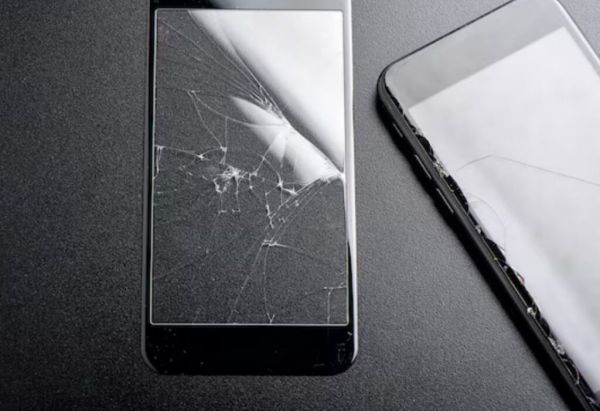
Mobile Safety: Using a Cheap, Broken Tempered Glass on Your Phone? You Could Be Paying a Much Bigger Price
A few rupees saved on a phone accessory may seem like a smart deal, but when it comes to tempered glass, going for the cheapest option—or continuing to use a cracked one—could end up costing you much more.
Many smartphone users replace their screen protectors only when they are completely shattered. But a damaged or poorly fitted tempered glass can reduce protection and may even create problems that are easy to overlook.
Why Using Broken Tempered Glass Is a Bad Idea
Tempered glass is designed to absorb impact and protect the smartphone’s actual display from scratches and accidental drops. Once the protector develops cracks, however, its ability to distribute impact can be compromised.
If the phone falls again, the damaged protector may not absorb the force as effectively as an intact one. The result could be damage to the expensive display underneath.
In other words, saving a small amount on replacing the protector could potentially lead to a much bigger repair bill.
Cracks Can Also Affect Touch Response
A badly cracked or poorly installed screen protector can sometimes interfere with the phone’s touch response.
You may notice:
- Touches not registering properly
- Delayed response while typing
- Difficulty using gestures near the edges
- Problems with fingerprint recognition on some phones
This doesn’t necessarily mean the phone’s display is damaged. In some cases, replacing the screen protector can solve the problem.
Dust and Moisture Can Enter Through Damaged Edges
Once tempered glass starts lifting from the display or develops cracks around the edges, dust and other particles can collect underneath it.
A protector that no longer sits flush against the screen can also become increasingly difficult to use comfortably. Continued peeling or lifting may expose portions of the display that were supposed to remain protected.
Be Careful With Very Cheap Tempered Glass
Price alone doesn’t determine the quality of a screen protector, but extremely cheap products can sometimes compromise on factors such as adhesive quality, fit, transparency and touch sensitivity.
A good protector should be designed specifically for your phone model and should sit properly across the usable display area without leaving excessive gaps.
When Should You Replace Your Tempered Glass?
You don’t have to wait until the protector is completely shattered.
Consider replacing it if you notice:
Visible cracks: Even small cracks can spread after another impact.
Chipped edges: Damaged edges can become sharp and uncomfortable.
Lifting: If the glass is separating from the screen, dust can collect underneath.
Reduced touch sensitivity: Persistent touch issues may warrant a replacement.
Poor alignment: If the protector has shifted, parts of the display may be left exposed.
Don’t Try to Save Money at the Wrong Place
A smartphone display can be one of the most expensive components to repair. Compared with that potential cost, replacing a damaged tempered glass protector is relatively inexpensive.
So, if your phone is currently covered with cracked, broken or badly fitted tempered glass, replacing it is a small precaution that can help protect your much more valuable display.
Bottom Line
A cheap screen protector isn’t automatically bad, but using a damaged one simply because it still “looks usable” isn’t worth the risk. A few rupees saved today could potentially turn into a much larger repair expense after an accidental drop.
Your tempered glass is meant to take the damage—not remain on your phone after it has already taken it.
Contact to : xlf550402@gmail.com
Copyright © boyuanhulian 2020 - 2023. All Right Reserved.