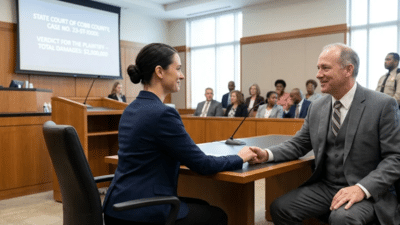
A metro Atlanta woman was awarded $2.5 million by a Cobb County, Georgia jury after a 2023 rear-end crash left her with injuries so serious that she later needed spinal fusion surgery
A Georgia woman has been awarded $2.5 million (£1.9 million) after a rear-end collision left her with serious neck injuries and the need for spinal surgery. A Cobb County jury reached its decision on 23 October 2026, following a case involving a crash on Cobb Parkway in 2023. The woman was represented by attorneys from Morgan & Morgan , according to WSB-TV Channel 2. The collision happened near the intersection of Cobb Parkway and Roberts Boulevard. The woman was attempting to turn right from Roberts Boulevard when she stopped to give way to approaching traffic. The vehicle behind her failed to stop and crashed into the back of her car, according to the law firm. The jury awarded her $2.5 million to compensate for the injuries and their impact on her daily life.
The long road to recovery
The crash left the woman with serious neck injuries that required several forms of medical treatment. According to WSB-TV, her treatment included injections, a DiscFX procedure and spinal fusion surgery . The injuries caused significant and ongoing pain, which affected her ability to enjoy everyday activities. Her legal team said the crash had changed her quality of life and stopped her from taking part in things she previously enjoyed. Spinal fusion is an operation that joins two or more bones in the backbone, known as vertebrae. The procedure is used to stabilise the spine and can help reduce pain caused by damaged or injured areas. According to the Cleveland Clinic, surgeons may use bone grafts, screws and metal rods to help join the bones. Recovery can take several months, and some patients may experience lasting changes in their movement and flexibility. For the woman, the need for spinal fusion meant the effects of the collision went beyond the initial injuries. Her treatment and continuing pain became important parts of the compensation case.
Legal argument and damage claim
The woman was represented by Morgan & Morgan attorneys Matthew Grossman, Matthew Futrell, Austin Hollimon and Christle Guinyard. The legal team argued that the crash had caused lasting injuries and had seriously affected their client's quality of life. According to WSB-TV, the case focused on the medical treatment she needed and the continuing pain caused by the collision. Her injuries required extensive care, including injections and two procedures before and during her recovery. John Morgan, founder of Morgan & Morgan, said the legal team wanted the jury to understand how much the crash had taken away from the woman. "This case was about showing the jury what was taken from our client because of another driver's negligence," Morgan said.
He added that the injuries had prevented her from enjoying activities that were important to her, including camping with her fiancé. The claim sought compensation for the physical injuries as well as the wider effects on her life. In personal injury cases, damages can cover medical expenses, lost income and other financial losses. They can also include compensation for pain, suffering and the loss of activities a person previously enjoyed. Georgia law recognises two main categories of damages:
A clear message on damages
The verdict highlights the importance of considering the wider effects of serious injuries when deciding compensation in personal injury cases. A crash can affect more than a person's physical health. Ongoing pain, medical appointments and restrictions on everyday activities can also change how someone lives. In this case, Morgan & Morgan said the woman had lost the ability to enjoy activities that previously formed part of her daily life. Her treatment included spinal surgery, and her lawyers presented the effects of those injuries to the jury. Georgia law allows juries to decide the value of general damages based on the evidence presented during a trial. Unlike medical bills or lost wages, there is no fixed calculation for pain and suffering. The state also follows a comparative fault system. If an injured person is partly responsible for a crash, their compensation can be reduced according to their share of responsibility. A person who is found to be 50 per cent or more at fault cannot recover damages under Georgia law. Georgia generally gives people two years to file a personal injury lawsuit following an accident. The collision happened in 2023, and the jury delivered its verdict on 23 October 2026.
The long road to recovery
The crash left the woman with serious neck injuries that required several forms of medical treatment. According to WSB-TV, her treatment included injections, a DiscFX procedure and spinal fusion surgery . The injuries caused significant and ongoing pain, which affected her ability to enjoy everyday activities. Her legal team said the crash had changed her quality of life and stopped her from taking part in things she previously enjoyed. Spinal fusion is an operation that joins two or more bones in the backbone, known as vertebrae. The procedure is used to stabilise the spine and can help reduce pain caused by damaged or injured areas. According to the Cleveland Clinic, surgeons may use bone grafts, screws and metal rods to help join the bones. Recovery can take several months, and some patients may experience lasting changes in their movement and flexibility. For the woman, the need for spinal fusion meant the effects of the collision went beyond the initial injuries. Her treatment and continuing pain became important parts of the compensation case.
Legal argument and damage claim
The woman was represented by Morgan & Morgan attorneys Matthew Grossman, Matthew Futrell, Austin Hollimon and Christle Guinyard. The legal team argued that the crash had caused lasting injuries and had seriously affected their client's quality of life. According to WSB-TV, the case focused on the medical treatment she needed and the continuing pain caused by the collision. Her injuries required extensive care, including injections and two procedures before and during her recovery. John Morgan, founder of Morgan & Morgan, said the legal team wanted the jury to understand how much the crash had taken away from the woman. "This case was about showing the jury what was taken from our client because of another driver's negligence," Morgan said.
He added that the injuries had prevented her from enjoying activities that were important to her, including camping with her fiancé. The claim sought compensation for the physical injuries as well as the wider effects on her life. In personal injury cases, damages can cover medical expenses, lost income and other financial losses. They can also include compensation for pain, suffering and the loss of activities a person previously enjoyed. Georgia law recognises two main categories of damages:
- Special damages: These cover financial losses that can be calculated, such as medical bills, treatment costs and lost wages.
- General damages: These cover losses that are harder to measure financially, including physical pain, emotional suffering and reduced quality of life.
A clear message on damages
The verdict highlights the importance of considering the wider effects of serious injuries when deciding compensation in personal injury cases. A crash can affect more than a person's physical health. Ongoing pain, medical appointments and restrictions on everyday activities can also change how someone lives. In this case, Morgan & Morgan said the woman had lost the ability to enjoy activities that previously formed part of her daily life. Her treatment included spinal surgery, and her lawyers presented the effects of those injuries to the jury. Georgia law allows juries to decide the value of general damages based on the evidence presented during a trial. Unlike medical bills or lost wages, there is no fixed calculation for pain and suffering. The state also follows a comparative fault system. If an injured person is partly responsible for a crash, their compensation can be reduced according to their share of responsibility. A person who is found to be 50 per cent or more at fault cannot recover damages under Georgia law. Georgia generally gives people two years to file a personal injury lawsuit following an accident. The collision happened in 2023, and the jury delivered its verdict on 23 October 2026.
Contact to : xlf550402@gmail.com
Copyright © boyuanhulian 2020 - 2023. All Right Reserved.